
Quail Hunting Trip
Originally, I was just going to to go camping on my friend’s property and try out some primitive skills I’d been reading about. To do this, I was going to drive and bring a bunch of gear. A few days (maybe a week) before I was to depart, those plans changed. Now I was going to be quail hunting at a private duck hunting club out on the coast on North Carolina. Due to the timetables involved around some of the activities associated with the quail hunt, I was now going to be flying instead of driving.
Driving to my friend’s property is 20 hours round trip. Driving to the duck hunting property on the coast is 26 hours round trip. Umm, what time is that flight again?
If I’ve learned anything from 2020 and this pandemic and all of the restrictions to my basic freedoms, it’s patience and flexibility.
So, I flew down Wednesday evening, got about four hours of sleep before my friend awoke me at 2:30 AM with the decree, “Dave, time to get it.” We we’re on the road by 3:00 AM to make the three hour drive from his place to the coast. From there, we met some friends of his who took us out past Harker’s Island for some salt water fishing. Here are some pictures from that adventure. I’d also like it noted for the record that he stole that Albacore from me.

Sunrise from the dock

Sunrise from the boat while heading out
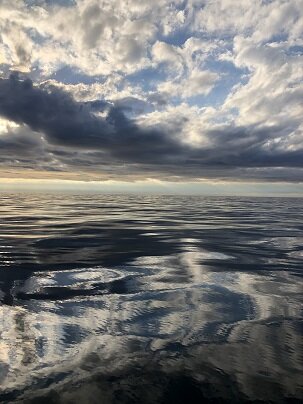
Ocean was like glass that morning

This is the Harker’s Island lighthouse


From there was used the clubs fresh water impoundments to do a lot of large mouth bass fishing.
Friday and Saturday we went out in three separate groups to do some quail hunting. Each group had their own dog and handler. The club has a quail pen so we’d go in and box up 15 or so birds for each group and then the handlers would go and disperse them in the fields for the dogs to find. It’s a very cyclical thing to quail hunt this way. The club raises their own quail, the members and guests use the quail to maintain the shooting skills when it’s not duck season, the dogs and the trainers are utilized to maintain their skills as well. Then the members and guests eat the quail. Circle of life, baby.
Here’s what one of the fields looks like before all of the shooting starts.
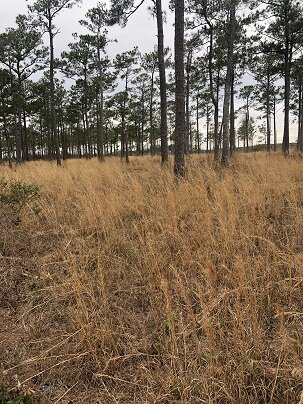
The club maintains several fields like this and there’s sorghum and millet and corn around for those that escape justice. The bush hog runs through the area several times a year to main the trails while leaving mini hedgerows for the birds to rest and nest in if we don’t manage to find them. The dogs are pretty good and we manage to find about 95% of them. The problem with birds and hunting like this is that they tend to walk off after they’ve been placed by the dog handlers. Most don’t, but some do.
Evenings were spent by this massive fire pit that measures about 3.5’ - 4’ in diameter just watching in silence over a cigar and a bourbon as the sun slips below the horizon off the point.


All in all, it was a great trip. I was able to relax and unwind and shake off this COViD funk. For a little while at least. My plan for next year, because I’ve already received an invite for that trip, is to just take the week off. I’ll drive down several days early and do some camping along the New River off the backside of my buddies property and then head to the coast.

Making Maple Syrup
Well, I (we) finally did it! We successfully made maple syrup using sap from our backyard maple tree.
To be honest, all-in-all, it was a fairly simple, easy, and straight forward process. It was literally as easy as:
Collect sap.
Cook sap.
Bottle sap.
However, what people don’t tell you when they say, “Oh, making maple syrup is easy!” is the sheer amount of time and sap needed to make one bottle of maple syrup!
Seriously, I started with a full 2-gallon bucket of maple sap and ended up with 1/3 of a pint of maple syrup.

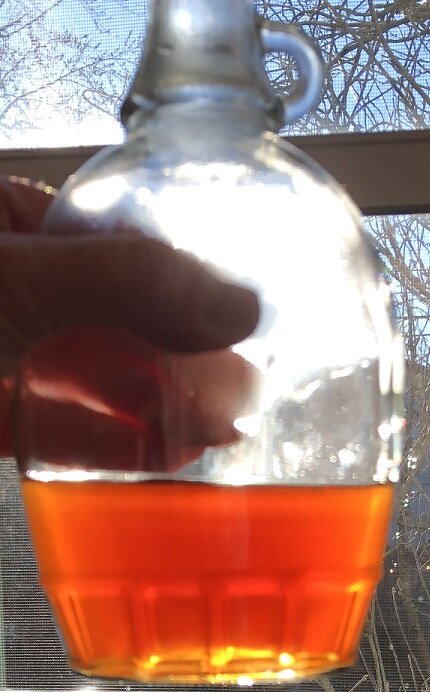
It took us four hours to cook down that 2-gallons of sap into what you see above (~ 1/3 pint).
I recorded a lot of what I (we) did throughout the time consuming process and cobbled it all together in a video (which I’ll post tonight or tomorrow). There is one thing that was not recorded and that was where the roasting pan I attempted to use (plan B) fell out of, or off of, the grilling grate thereby spilling about 1/3 of a gallon of precious maple sap! This resulted in Plan C, the cast iron pot.
So what did we learn during this process?
Collect more sap. This means using more than one pot to cook it down to speed up the process.
Verify that the pot you’re going to use fits the device being utilized. I started with Plan A - turkey frying pot (too big). Then I went to Plan B - aluminum turkey roasting pan (too unstable). I eventually landed on Plan C - cast iron pot (just right))
Have a second pot (or third pot if using two pots to cook down the sap) identified and ready for finishing.
The more sap you collect the longer the process takes. This means more time, more firewood, and possibly more pots. So start early in the morning not at 1:30 in the afternoon.
All things being equal, it was a fun and rewarding experience and I’m glad we did it.
Look for that video announcement soon!

Maple Harvest Time... Almost
The wife and I went to visit our daughter at college last weekend (shhhh the campus is on lockdown and visitors are not allowed). Anyhoo… in years past, when we’ve made trips along a similar route during mid to late February, the hills and hollers were full of campfires choking the interstate with smoke as the maple sap was cooked down into syrup. During this most recent trip though, there wasn’t a smoke signal to be found.
The reason the cookers aren’t running is entirely due to the conditions here on the ground. Frankly speaking, the weather sucks and it’s not conducive to making maple syrup. There’s a foot of snow still on the ground and the daytime highs (20’s maybe 30’s on occasion) and nighttime lows (teens most nights recently) are still too cold for the sap to run freely. Now we have a ton of ice and additional snow on top of what we already had. Good times.
If this is something that interests you, here are the conditions needed for maple syrup production:
Daytime highs of 40-degrees or better
Nighttime lows can be in the 20-degree range
10-gallons of sap is ~ 1 quart of syrup once it is cooked down
I’ve been itching to make my own maple syrup since 2019 when I first kinda sorta tried my hand at it. Long story short, I didn’t make it past the collection step. Here’s why: Maple Sap Went Bad.
Now that all of my books are published and I’m taking a much needed break from writing, I’m going to be doing some of the things I’ve wanted to try (Dandelion Wine among other things) or fun projects and skills tests that I previously succeeded at and/or tried and failed.

New Interview Available
Well folks… I’m back on the airwaves with a new interview!
On Saturday (02/13/2021), I was interviewed by John Jeffers over on the Contra Radio Network. This is my second interview with John and, to be honest, he was my first call when I decided to do podcasts interviews again.
In a nutshell, we talk about a lot of stuff and, after having listened to the production just this morning, I think you’ll laugh, chuckle, cringe, and nod your head to a great many things we had to say. We talk about my books, obviously, but we also delve into some detail regarding the genesis for my books and preparedness in general. There’s a fair amount of time spent on politics, the election, the woke mob, current events, and more.
I’ve posted links to the interview from a number of podcasts sites where the Contra Radio Network is available on the My Works - Interview page.
Winter Time... BLAH!
This is too funny. I thought I posted this a week or two ago but apparently not…
We are now fully into winter here in the Midwest. It’s cold as all get out, there’s a foot of snow on the ground, and even colder weather is coming, Needless to say, outdoor activities are quite limited short of hunting but even those are dwindling as certain seasons are closing.
I like to use the cold winter months a variety of ways.
The first thing I like to do is a deep-dive inventory analysis. What do I have, what did I move, what did I use, what items are running low, what items were not used at all. These are the questions and many like it, that I try and answer during an inventory analysis. Don’t get me wrong, I keep up to date all year long with items like consumables but sometimes that post-it note reminder goes through the wash before the data is inserted into the spreadsheet(s).
Another activity I usually pursue is indoor range time, sporting clays, and duck/goose/pheasant hunting. Unfortunately, with all of the mishegoss associated with the election, the availability of ammo is quite precarious so I’m loathe to expend ammo frivolously right now. I have had some good luck going to a couple gun shows in the region in terms of finding popular calibers at reasonable prices but the masses are starting to catch on. If you don’t get there when the doors open the first day you might find yourself holding a fist-full of cash instead of heavy-ass grocery bag laden with ammo!
Truth be told, I started buying all of my ammo at gun shows long before the 2020 election cycle. The reason for this is simple. Brick and mortar stores started swiping/scanning my ID for every ammo purchase. It used to be that they just visually verified your age. Not any more. The first time a cashier asked for my ID and started to swipe it through their card reader I stopped them, questioned what they were doing, took my ID back, left all of the ammo on the counter, and walked out. It is none of the government’s business how much ammo I bought and of what caliber. Ever.

ANOTHER Book Released!!!
Well folks, I did it! My second non-fiction book in as many months is finally out the door! Preparing to Prepare: A General Guide to Self-Sufficiency and Preparedness is now available on Amazon!

The Preparing to Prepare non-fiction work began taking shape in written form around the same time as the non-fiction Home Remedies piece. The information contained within this work, though, has been rumbling around in my head for ages. What makes this work unique, I think, is that it allows readers to determine just what they want to prepare for (from weather to societal collapse) and estimate how long that disruption to their lives might last (< 1 week, > 1 week but < 1 month, or > 1 month). It is not an anthology for all things preparedness related. It is, however, a good read and a good place to start for anyone looking to outlast a disruption to their normal daily lives.
I think now I might take a little break and do some projects I’ve been wanting to try and/or fix some things around the house.
Plus, it’s winter, so it’s time to do some reflection on what worked, what didn’t, how can some things be improved, planning the garden, pricing out project costs, and of course there’s inventory to perform! Sometimes winter can be busier than the good weather months, depending on how you approach it.
Here’s the back cover text for those that are interested:
When people hear the words ‘self-sufficiency’ and ‘preparedness’ together in the same sentence, they typically conjure up images of tinfoil hats and reclusive preppers. However, just about everyone is, in a general sense, preparing for something. The difference is that we don’t ascribe those terms to say:
Grandma Betsy who grew and canned produce from her Victory Garden.
Suzy Homemaker who purchased some extra cases of water for her family for the heat of summer.
Bob Bizowner who purchased plywood to board up his business to protect it from anarchists, rioters, and looters.
Neighbor Jenny who purchased two months’ worth of everything before state lockdowns were initiated.
When we see examples like these, we say they were smart to be prepared or had good timing, in a positive way, not derogatorily.
Preparing to Prepare: A General Guide to Self-Sufficiency & Preparedness takes a duration-based approach to the potential disruptions that might befall an individual, family, community, or region. These disruptions to daily life could be minor (week or less), moderate (week to a month), or major (more than a month) and originate from the weather, society, health problems, employment loss, or something else. Preparing to Prepare walks the reader through personal assessments by asking the reader to answer very specific, thought-provoking questions geared toward understanding their environment and the potential pitfalls that life may throw at them. With those answers in hand, only then can the reader truly begin preparing for their chosen duration.

Book RELEASED!!!
Well folks, I finally did it! My first non-fiction book since 2013 is finally out the door! Home Remedies, Poultices, Salves, & Tinctures is now available on Amazon!

I guess I’m on a roll because that’s seven books published in seven years. Hopefully I can publish #8 before the year is out! Wish me luck!
This is a very proud achievement for me as a lot of research, work, and effort went into the writing of this book. I want to say a special thank you to those that have helped me along the way. Some provided their own family recipes for inclusion, while others pointed me toward additional information, and a select few graciously offered their reviewing, editing, and medical knowledge and expertise. This book could not have been complete without all you. I have copies of the book being sent to me to say thanks. For the rest of you, I hope you’ll consider picking up a copy.
Here’s the back cover text for those that are interested:
Did you ever get the feeling that we've become the most drugged nation on the face of the planet? Newspapers, magazines, radio, television… seemingly everywhere you turn, they all contain advertising for the latest and greatest drug. It’s to the point now that patients are getting medical advice from Big Pharma ad-men and news-reel propaganda. This needs to change, but how?
The first thing you need to do is stop listening to all of that white noise and start listening to grandparents and great-grandparents. Then, after that, you should dive into Home Remedies, Poultices, Salves, & Tinctures and find definitions for ingredients that you can grow in something as simple as a window box. Use these ingredients to create recipes that address everything from arthritis, colicky babies, and migraines to depression, bone spurs, and acne. There is a world of medicine at your fingertips and it's right outside your door.

Knickerbocker Bean Soup
Now that the weather is turning, I thought I’d share a soup recipe (complete with pictures!) that I was given by my friend, and co-author, Scott Boles. He and I collaborated on the Just a Small Gathering cooking and entertainment book years ago .Technically, it’s two recipes that make the Knickerbocker Bean Soup, but for ease of use, I’m going to give you both at the same time.
Here goes…
Ingredients:
1 pkg Bacon, diced
1 C Onion, diced
1/2 C Flour
1-28 oz. can of Navy Beans
1-28 oz. can of Diced Tomatoes
2 C Potatoes, diced
3 Carrots, diced
5 C Chicken Stock
1 Ham Hock (optional)
Directions:
In a large stock pot, brown the bacon until it is evenly cooked and crispy.
Here’s a tip: put the bacon in the freezer for 20-30 min so it can stiffen up. It’ll make it easier to cut.


2. Add the onions and cook until translucent.

3. Add flour and create a roux. Cook for 2 or 3 minutes.
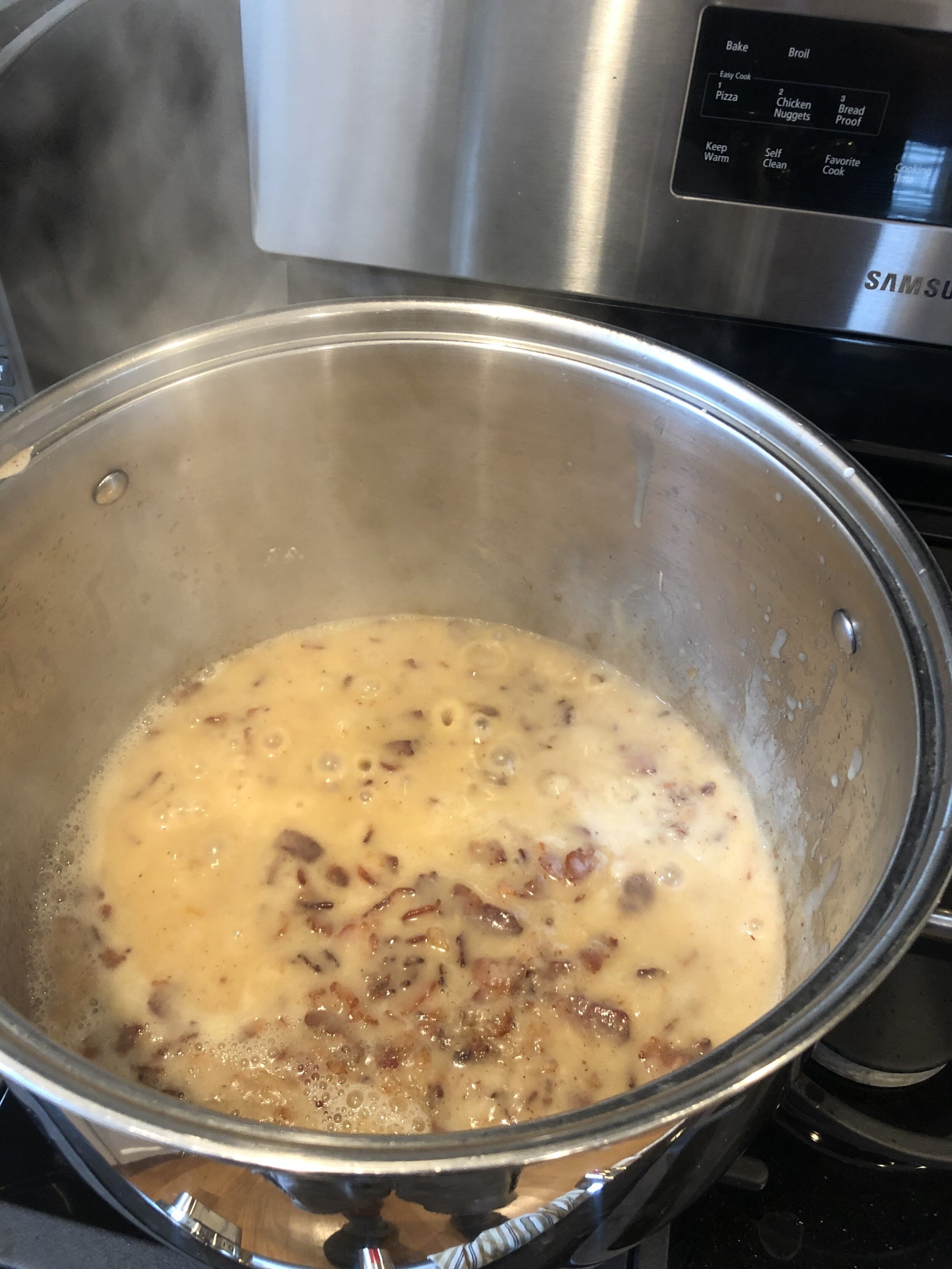
4. Add the remaining ingredients (stock, tomatoes, beans, carrots, and potatoes).
* If you’re use the optional ham hock ingredient, add it now as well.


5. Allow the soup to simmer for two hours or until the potatoes and carrots are tender.

I like to serve this with corn bread but any bread suited for a soup will do.
Leftovers can be ladled into Ziploc freezer bags (~4 healthy ladles feeds a family a four). Lay the bags flat once the soup is added, then express all of the air and then place on a rimmed baking sheet. Place the baking sheet in the freezer. Once frozen, remove the baking sheet and stack/align the bags like books on a shelf to save space.
To reheat, allow the frozen bag to thaw or place under running water in a large glass Pyrex dish until full. When reheating, note that the ingredients have absorbed the chicken stock so prepare an extra 2 C of chicken stock and add this to the pot while reheating.
Just a Small Gathering (Kindle) Just a Small Gathering (Paperback)
Water Disinfection
One of the doctors on a forum I am a member of posted a link to the Wilderness & Environmental Medicine website. His link pointed to an article discussing water disinfection. The article piqued my interest due to the title and because I know that water is key to handling any disruption length. After downloading and reading their research, I felt it would be helpful to post the file up on my Research Downloads page (scroll to the bottom) so you can have the information as well.
Home Remedies, Poultices, Salves, and Tinctures
My first non-fiction book in some years is tentatively slated for release in the next few weeks! The reviewer is finishing up and the graphic artist that handled the five-part fictional series has been contacted.
Fingers crossed for an end of October release!